

 Public
Understanding the psychological effects of gambling in casinos
The Allure of Gambling: A Psychological Perspective
The psychological allure of gambling in casinos can be attributed to a blend of excitement, anticipation, and the potential for reward. Many individuals are drawn to the thrill of taking risks, which is often heightened in the vibrant atmosphere of a casino. The sensory stimuli—including lights, sounds, and the buzz of activity—can create an immersive experience that affects the brain’s reward pathways. This stimulation triggers the release of dopamine, a neurotransmitter associated with pleasure, making the gambling experience exhilarating. Online platforms such as Jeetwin Crazy Time have further expanded the options available for those seeking this thrill.
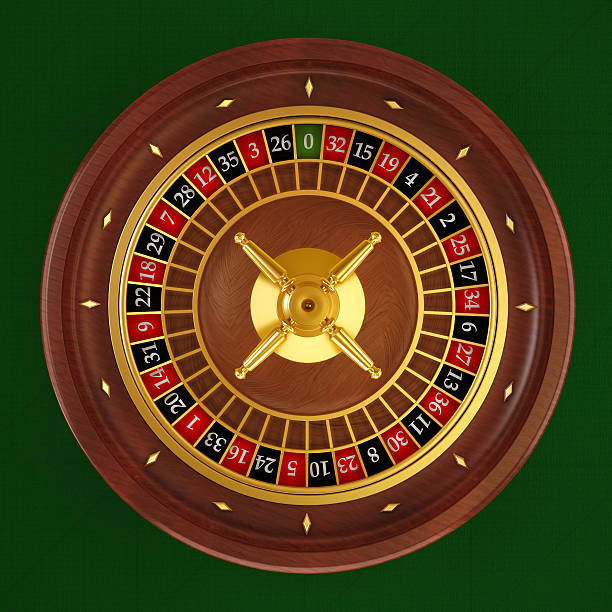
Moreover, the social aspect of gambling cannot be overlooked. Many people enjoy the camaraderie that comes with playing games in a casino environment. Whether it’s cheering on a friend at the poker table or sharing stories with fellow players, these interactions can enhance the enjoyment of gambling. This social engagement adds an additional layer of psychological satisfaction, making the experience not just about potential winnings but also about building connections and sharing excitement with others.
However, this attraction can lead some individuals to gamble beyond their means. The thrill of winning, combined with the social acceptance of gambling, can create a false sense of security. Many players may believe they can control their gambling habits, ignoring the negative consequences that may arise from excessive play. This cognitive distortion, often referred to as the “illusion of control,” can lead to problematic gambling behaviors, which are important to recognize and address.
The Role of Cognitive Biases in Gambling
Cognitive biases play a crucial role in how gamblers perceive their chances of winning. One common bias is the “gambler’s fallacy,” where individuals believe that past events influence future outcomes in random games. For instance, someone may think that a slot machine is “due” for a payout after a series of losses, leading them to continue playing despite accumulating losses. This misconception can lead to increased gambling time and financial losses, exacerbating the cycle of gambling behavior.
Another cognitive bias is overconfidence, where gamblers believe they have skills that can influence game outcomes. This is particularly prevalent in games that involve some degree of skill, such as poker. Players may attribute their wins to their skill level while blaming losses on bad luck. This mindset can lead to excessive gambling as individuals continue to chase wins, fueled by a belief in their superior abilities. Understanding these biases is essential for both players and casino operators, as they can help design better responsible gambling initiatives.
Awareness of these cognitive biases can help gamblers make more informed decisions. By recognizing that luck plays a significant role in gambling, individuals can approach their gaming experiences more rationally. Casinos and support organizations can benefit from educating players about these biases, promoting a more responsible approach to gambling that prioritizes enjoyment over excessive risk-taking.
The Emotional Rollercoaster of Winning and Losing
The emotional highs and lows associated with gambling can create a powerful psychological impact. Winning can lead to feelings of euphoria and increased self-esteem, reinforcing the desire to gamble more. This “high” can create a cycle where the gambler continues to chase these emotional highs, often overlooking the significant lows that accompany losing streaks. The shift from victory to defeat can be sudden and jarring, leading to feelings of frustration, sadness, or anger.
Additionally, the emotional consequences of gambling can extend beyond the individual player. Relationships with family and friends may be strained as gambling behaviors lead to secrecy, financial stress, or emotional withdrawal. Loved ones often become collateral damage in the pursuit of gambling satisfaction, resulting in a ripple effect that can affect the emotional well-being of many. This interpersonal impact highlights the importance of recognizing and addressing the psychological aspects of gambling.
Effective support systems are essential for those experiencing negative emotional effects from gambling. Counseling and therapy can provide avenues for individuals to process their feelings and develop healthier coping strategies. By fostering emotional intelligence and resilience, individuals can learn to navigate the ups and downs of gambling without allowing their feelings to dictate their behavior. This approach can create a more balanced and sustainable relationship with gambling.
The Impact of Environment on Gambling Behavior
The casino environment is meticulously designed to enhance the gambling experience, influencing players’ psychological responses. From the layout of gaming machines to the sounds of ringing coins, every detail is curated to maintain engagement and prolong playtime. The absence of clocks and windows creates a sense of timelessness, allowing gamblers to lose track of how long they’ve been playing. This manipulation of the environment can lead to impulsive decisions and extended gaming sessions.
Lighting plays a critical role in creating an inviting atmosphere. Bright, colorful lights can stimulate excitement and encourage players to stay longer. Conversely, dimly lit areas can create a sense of intimacy, making high-stakes games feel more exclusive and enticing. Casinos understand the psychological impact of these design elements and strategically employ them to foster an environment conducive to gambling, which can enhance players’ emotional investment.
Awareness of how the casino environment impacts gambling behavior can empower players to make more conscious decisions. By understanding the psychological triggers present in the casino, individuals can learn to set boundaries for themselves and approach gambling as a form of entertainment rather than a means of escape. Such knowledge can be a powerful tool in promoting responsible gambling practices.

Promoting Responsible Gambling: A Call to Action
Understanding the psychological effects of gambling is crucial for promoting responsible gaming practices. Casinos have a responsibility to implement measures that protect players and encourage safe gambling. This includes providing resources for self-assessment, offering educational materials on cognitive biases, and promoting awareness of the emotional impacts of gambling. By creating a culture of responsibility, both players and operators can contribute to a healthier gaming environment.
Furthermore, support systems and hotlines should be readily accessible for those who may be struggling with gambling addiction. Public awareness campaigns can help destigmatize seeking help and provide individuals with the courage to reach out. Incorporating mental health professionals into casino settings can also facilitate better support for those who need it. By fostering open conversations about gambling psychology, we can create an environment where responsible gaming is prioritized.
Ultimately, a collaborative effort between casinos, players, and mental health professionals is vital for addressing the psychological effects of gambling. Through education, support, and awareness, we can work towards reducing the negative impacts of gambling while promoting its enjoyment as a form of entertainment. By understanding the intricate psychological landscape of gambling, we can better navigate this complex world responsibly.
