

 blog
blogBalancing Heritage and Contemporary Style in the Dubai Majlis
In any Dubai home, the majlis is much more than a mere sitting room; it acts as the throbbing centre of generosity, the room in which guests are received, business gets discussed, and loved ones assemble over cardamom coffee and fresh dates Firmly anchored in Emirati and wider Gulf tradition, the majlis carries forward generations of hospitality and etiquette into both the modern villa and the high-rise apartment Increasingly, homeowners across Dubai want to honour that heritage while retaining the clean lines and quiet luxury of contemporary design The most exciting interiors of 2026 sit exactly at that crossroads, combining carved timber screens with statement sofas and warm desert hues with subtle smart lighting Regardless of whether your home has a waterfront view in Dubai Marina or lies among the Arabian Ranches villas, a thoughtfully designed majlis can become its most memorable room Along the way you will find realistic 2026 cost ranges to help you turn inspiration into a practical plan
The Essence of the Majlis: Why It Still Matters
Before choosing a single fabric, it pays to understand what the majlis really means in Emirati culture Conventionally it is a semi-formal reception space, frequently set near the entrance so that guests interior designer dubai can be received without entering the home’s private zones Seating is arranged around the perimeter of the room, which promotes conversation and allows everyone to face one another as equals Across many Dubai households a distinct men’s and women’s majlis is still the preference, especially in bigger villas across Jumeirah and Al Barsha Since the space reflects a family’s taste and generosity, it typically draws the most lavish materials and the boldest design gestures With this purpose in mind, each following choice, from layout to lighting, becomes far easier
Idea One: Low Seating That Keeps Guests Comfortable
Low, floor-level seating piled with generous cushions defines the classic majlis, and it is still a wonderful place to begin For a modern take, many Dubai designers lift the seat height slightly and swap thin floor mattresses for tailored, deep-cushioned banquettes in hard-wearing performance fabrics Wraparound perimeter seating retains the traditional face-to-face arrangement while feeling tailored rather than casual Layering bolsters, lumbar cushions, and a few beautifully embroidered pillows adds comfort and a genuine sense of welcome With a neutral upholstery base, you can update the entire look each season by just switching out the cushion covers A low central table or a group of brass-topped side tables puts coffee and dates within easy reach of every seat The goal is seating so comfortable that guests happily linger long after the last cup is poured
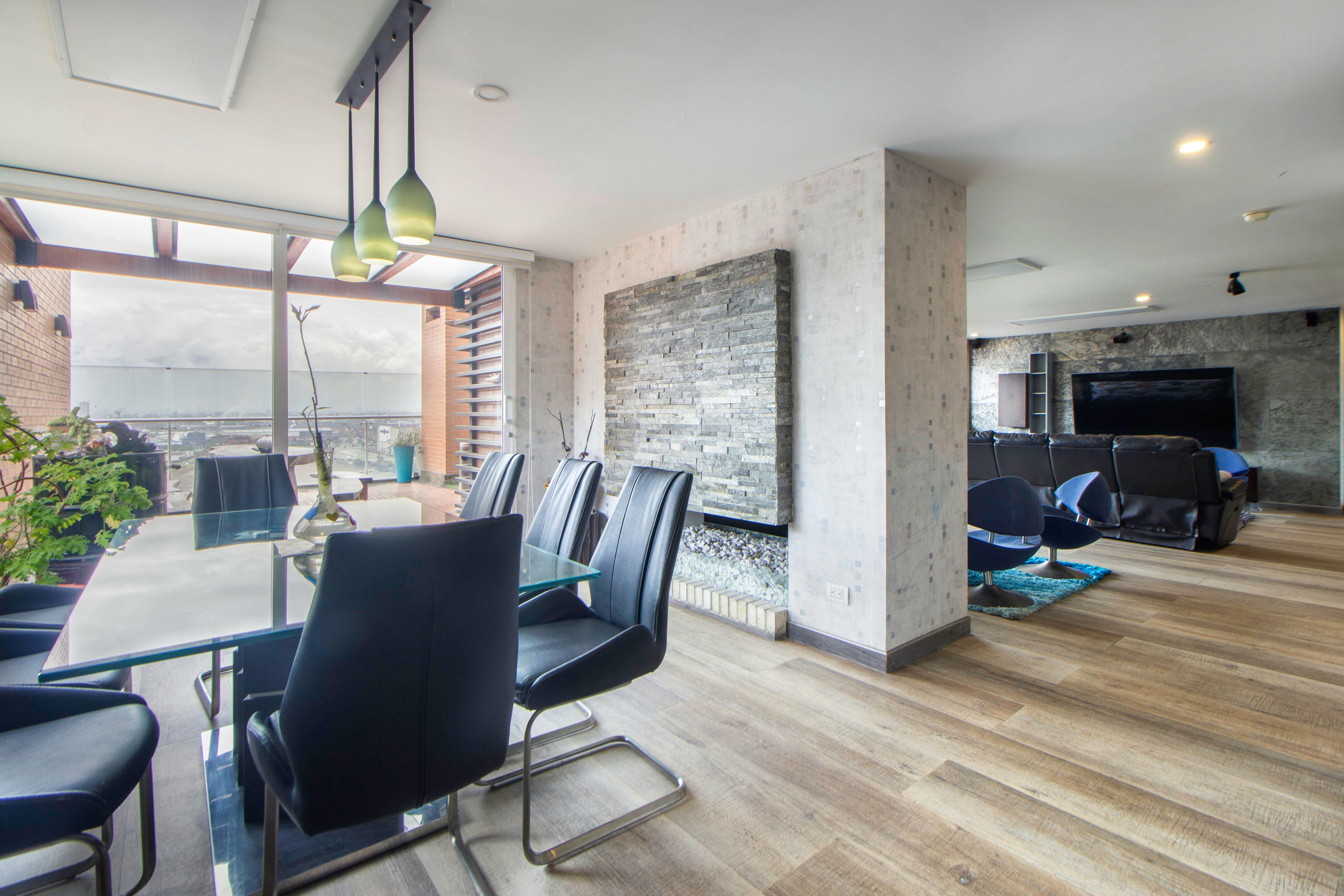
- Reach for stain-resistant performance fabrics suited to frequent entertaining
- Allow at least 70 to 90 centimetres for a walking path behind the seating
- Balance firm base cushions with softer scatter pillows to give support and comfort
- Have floor poufs ready so extra guests can always be accommodated with ease
Idea Two: Desert-and-Light Colour
Colour is where tradition and modernity blend most naturally in a Dubai majlis A backdrop of warm sand, ivory, and soft taupe nods to the surrounding desert and keeps the room feeling calm and expansive On that backdrop, designers bring in richer accents like burnt terracotta, olive, deep teal, or the age-old duo of maroon and gold Metallics take an important supporting role, with brushed brass and antique gold bringing the warm glow long associated with Gulf interiors As the 2026 mood favours quiet luxury, metallics are used sparingly rather than covering every surface Natural light is itself a material, and let layered sheers take the edge off Dubai’s midday sun In the end, the scheme should read as grounded in the land yet clearly refined
Idea Three: Mashrabiya, Arches, and Contemporary Screens
Hardly any elements say heritage quite like the mashrabiya, the elaborately carved timber screen that has shaded and cooled Gulf homes for centuries For a modern majlis it can be recast as a laser-cut metal or timber partition, a headboard-style feature wall, or a sliding panel that filters light between rooms Gentle arches, whether framing a doorway or echoed as wall niches, bring a gentle architectural rhythm that reads as both classical and current Scaled up and simplified, Islamic geometric motifs read as contemporary art rather than pastiche These elements also solve practical problems, giving privacy and shade without obstructing airflow or valuable daylight Applied with restraint, these details lend the room instant cultural depth
Idea Four: Ceilings and Lighting That Make a Statement
In numerous Dubai majlis interiors, the ceiling is treated as a fifth wall and a genuine focal point With recessed coves, layered gypsum details, and subtle wooden beams, the ceiling draws the eye upward without crowding the floor A grand central chandelier is still a beloved statement, though 2026 tastes lean toward sculptural, clean-lined fixtures over heavily crystal-laden designs Alongside that centrepiece, a layered scheme of warm recessed downlights, wall washers, and hidden LED strips works to flatter the room and everyone in it With dimmable, smart-controlled circuits, the same room shifts from a bright afternoon gathering to an intimate evening majlis Thoughtful lighting is often what distinguishes a simply pretty majlis from a genuinely atmospheric one
Fifth Idea: Bespoke Joinery Meets Heritage Detail
Made-to-measure joinery is where a majlis becomes truly unique Skilled carpentry underpins built-in perimeter seating, concealed storage, and display niches for heirlooms or an oud burner Dubai’s robust joinery-workshop scene makes bespoke cabinetry, panelling, and screens very achievable, even on mid-budget projects Because natural materials carry the heritage theme, think walnut, oak, rattan accents and hand-knotted rugs over polished stone or porcelain A mother-of-pearl inlay tray or a hand-poured brass incense burner connect the room to regional craft traditions Combining these tactile, warm materials with a few sleek modern pieces prevents the room from feeling like a museum In the end, the magic lies in the balance between the handmade and the refined
Old Versus New at a Glance
A side-by-side look at classic versus contemporary majlis choices can help The following table lines up traditional elements against their modern Dubai counterparts, plus the mood each tends to set It is a menu, not a rulebook, so feel free to mix rows to fit your home and budget Some of the finest 2026 interiors combine both columns in one room A predominantly modern space, for instance, can be beautifully warmed by a couple of strongly traditional features Conversely, a traditionally styled majlis can look fresh with restrained modern lighting and simplified pattern
| Component | Traditional Approach | Modern Dubai Twist |
|---|---|---|
| Seats | Perimeter floor cushions | Low, structured banquettes in neutral performance fabric |
| Palette and materials | Maroon, gold, heavy ornament | A sand and ivory base with sparing metallic accents |
| Pattern and partitions | A carved timber mashrabiya | Laser-cut screens and simplified geometric motifs |
| Illumination | An ornate crystal chandelier | A sculptural fixture with layered, dimmable LED |
| Flooring | Layered traditional rugs | Big-format stone or porcelain plus a statement rug |
Planning and Budgeting Your Majlis for 2026
More often than not, a dedicated majlis refresh is more attainable than homeowners expect As a 2026 market estimate, mid-range residential interiors in Dubai run roughly AED 200 to 400 per square foot, while high-end and luxury villa work can climb to AED 600 to 1,200 or more So a single majlis of around 250 to 400 square feet sits comfortably within many renovation budgets, particularly if you retain the existing shell What usually drives costs up are custom joinery, imported stone and statement lighting Separate design fees generally sit at about AED 175 to 550 per square foot, or roughly 10 to 20% of the overall project budget These figures are broad market ranges, not fixed quotes, so always confirm the details for your own project
A Realistic Timeline From Idea to Welcome
While timing depends on how much you change, a clear sequence helps set expectations Focused on furniture, textiles, and lighting, a cosmetic majlis update can often be completed within a few weeks A more complete renovation involving joinery, ceilings, and finishes tends to follow the wider residential pattern of roughly six to ten weeks on site Expect two to four weeks for concept design, and detailed design plus material selection add several more weeks before work starts Should your building require approvals, allow additional time for a fit-out permit and any necessary no-objection certificate Leaving a little buffer for snagging makes sure the finished majlis is ready to welcome guests without any last-minute stress By planning the order early, the whole project unfolds with far less friction
